Mar 11, 2026A tactical approach to utilizing sleep to enhance performance
Sleep as a performance multiplier is a significant factor in the overall readiness of soldiers, police officers, firefighters, first responders and sport athletes. In essence, it is a contributing factor to the health of warfighters and first responders. Regardless of the career you choose, prioritizing healthy sleep is critical for optimal human performance.
Optimal sleep enables overall physical performance and cognitive processing. Sleep deprivation can come in many forms for these professionals. Many health organizations recommend seven to nine hours of sleep per night, typically endorsed by the Centers for Disease Control (CDC). However, those hours are generally found within the general population and are seen over the 60th percentile. Those first responders and sports athletes who are subjected to long seasons and prolonged travel are also subjected to sleep deprivation.
Effects on a sleep-deprived athlete
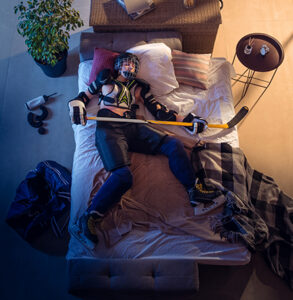 Our tactical athletes encounter sleep deprivation in various forms. The military soldier faces these challenges while on a mission, deployment or even on tight deadlines while stationed at their respective fort or garrison. Sleep deprivation, on an initial basis, may even start at their respective military academies’ “boot camp” or basic training. Recruits in basic training are subjected not only to their new environment but also encounter the psychological impacts of stress and anxiety, whether it may be the distance from home, firearms qualifications or tests. It is the long hours of being active with minimal sleep, running and rucking through different terrains with heavy external loads placed on their musculoskeletal system. With this being said, when these missions or operations are finished and sleep is imminent, the environments afforded to our nation’s soldiers may be significantly less than ideal. These soldiers fall well below the seven-to-nine-hour recommended timeframe and more closely to the four-to-six-hour timeframe at most.
Aside from sleep deprivation, additional aggravating factors include decreased cognitive processing, such as delayed decision-making and focus, lowered marksmanship skills, target acquisition, slower reaction time, increased risk-taking, decreased pain tolerance and lowered sense of balance. All of these aggravating factors ultimately can result in musculoskeletal injuries (MSK). MSK is one of the highest reasons for “in-theater” medical evaluations, and, not to mention, lost-duty days.
The police officer faces these same challenges whether they are working three, 12-hour day shifts for generally three weeks and then changing to three, 12-hour night shifts. Stressors of the job, aside from the shift change, may stem from the difficulty of their calls, such as horrific encounters of homicides, suicides, abuse, physical violence, fatal or serious bodily injury, or a domestic violence altercation, to name a few. The firefighter also encounters these same stressors, with shift changes, the people and domiciles they encounter during fires, accidents and other corresponding calls they answer with law enforcement personnel.
Furthermore, all of these first responders, unfortunately, may be subjected to post-traumatic stress disorder (PTSD) based on what they have encountered during their daily assignments and careers. This, coupled with the other mitigating factors, will play a key role in sleep deprivation. If not addressed, the individual’s cognitive and military, police and fire-specific duties could have long-term negative implications for disability associated with chronic pain disorders.
Leadership’s role in promoting healthy sleep patterns
Now that we have addressed the tactical and sports athletes who encounter sleep deprivation, what is the role of leadership in promoting improved sleep patterns, and what can they do to implement them? First and foremost, it is incumbent upon leaders to define a culture where sleep and fatigue management in the planning and execution phases of operations are second nature. Developing a healthy culture of impactful sleep will have instrumentally positive implications for long-term health and lower disability rates of our nation’s heroes. Leaders can improve mission readiness across their teams, squads, platoons, companies, battalions and brigades, which ultimately translates into personal health readiness. This may be through improved physical and mental awareness and health.
Some of the strategies that can be implemented are “sleep banking,” in which the individual purposefully focuses on getting more sleep than usual before a high op tempo, mission or deployment where they will be subjected to sleep loss, resulting in diminished physical and mental performance. Suggestions dictate that the tactical athlete begin “banking” sleep two weeks in advance by adjusting their bedtimes and adding later wake times, temporarily and proactively mitigating the effect of sleep loss. Minor adjustments like this may have significant benefits and help take the restless “edge off.” Adjusting shift schedules may help them by allowing for a schedule that may align more appropriately with their circadian rhythm. Periodic naps of 20-30 minutes throughout the day are also a viable option. Caffeine can be implemented, but needs to be dosed appropriately. At the beginning of a shift or operational start, a 200mg dose is recommended. Furthermore, on the other end of the spectrum, consider implementing the dosage of caffeine according to its half-life or refraining from caffeine within six hours of bedtime.
Studies indicate that high-intensity interval training (HIIT) increases mental alertness and cognitive performance. Finishing exercises at least three hours before bedtime and keeping a consistent bedtime as many nights a week as possible help establish a consistent schedule. This can be the same for police officers and firefighters, staying consistent with a set sleep schedule after their shifts. Some additional remedies to assist in sleep would be to use room darkening shades, earplugs and eye covers. Electronics should be shut off within 30 to 120 minutes before sleep. Alternatively, installation of blue light mode on a tactical or sports athlete’s smartphone is optimal, as it exhibits a warmer visible tone that helps the body and brain prepare for their upcoming sleep. Lastly, a recent NASA study revealed that a houseplant in an individual’s bedroom can assist deep restorative sleep by 37%. The study indicated that two of the most effective plants are the snake plant (Sansevieria) and the peace lily.
Daniel J. Borowick, MS, CSCS, and founder of DOMEX Strength & Fitness is a former DEA Special Agent who has over 27 years of tactical experience in federal (Drug Enforcement Administration/DEA) and state (New Jersey State Police). Borowick was previously a strength and conditioning coach serving in the U.S. Army’s H2F Program. You can reach him through his website, domexstrengthandfitness.com, via Instagram and LinkedIn, or domexstrengthandfitness@gmail.com for a professional consultation on being tactically fit for duty for either yourself and/or your department.